Why You Shouldn’t Ignore Dry Mouth Symptoms

It’s normal for your mouth to feel dry occasionally, such as when you’re dehydrated or nervous, but it shouldn’t feel dry all this time. Chronic dry mouth, or xerostomia, is more than a minor annoyance. It could signal a deeper underlying problem requiring your attention. Plus, it makes you more vulnerable to dental problems.
What Causes Dry Mouth?
Dry mouth is associated with a change in the composition of your saliva or reduced salivary flow. Sometimes, there’s no identifiable reason why your mouth feels dry—it just does. Several culprits could be behind the desert in your mouth:
- Medications: Hundreds of prescriptions, from antihistamines to antidepressants, list dry mouth as a side effect.
- Aging: As you get older, your saliva production dwindles naturally.
- Health concerns: Conditions like diabetes, Alzheimer’s, and Sjogren’s syndrome may affect saliva production.
- Lifestyle choices: Using tobacco and consuming alcohol and caffeine can dry out your mouth.
Why Should I Care? It’s Just a Dry Mouth!
Saliva serves many underappreciated functions. It begins the digestion process, controls bacteria in the mouth, washes away food particles, and neutralizes acids after you eat. Ignoring chronic dry mouth is never a good idea because, without care, the following issues are likely to develop:
- Cavities: Without a protective coating of saliva, your teeth are more susceptible to decay.
- Gum disease: A dry environment allows bacteria to thrive, leading to inflamed and bleeding gums.
- Bad breath: When food particles and odor-causing bacteria linger in your mouth, bad breath is sure to follow.
- Mouth infections: Conditions like oral thrush thrive when saliva is scarce.
- Changes in taste: Food might start tasting off or even become tasteless.
- Speech and swallowing struggles: A dry mouth can make talking and eating more difficult.
How to Combat Dry Mouth
If your mouth feels dry, try these strategies to increase saliva production:
- Stay hydrated: Sip water regularly throughout the day. Skip alcoholic and caffeinated beverages to avoid making the dryness worse.
- Chew sugar-free gum: Chewing stimulates saliva flow. Opt for xylitol-sweetened gum for added dental benefits.
- Humidify your home: Adding moisture to the air, especially while you sleep, helps prevent overnight dryness.
- Maintain good oral hygiene: Brush twice daily, floss, and schedule regular dental visits. These habits minimize complications from dry mouth until you get it under control.
See a Professional for Dry Mouth
If your dry mouth persists despite your best efforts, consult a dentist. They may recommend reviewing your medications or checking for underlying conditions that may be causing xerostomia. Prescription saliva substitutes or stimulants may be helpful to kickstart your salivary glands.
Whenever you have concerns about your oral health, it’s good to have a dentist you can trust for answers. Park 56 Dental has been meeting the dental needs of New Yorkers since 1997. Our spa-like environment caters to those who value personalized, top-tier dental care. We assess your individual needs, including concerns about dry mouth, to ensure complete satisfaction with your dental care. Schedule an appointment today!
More articles
2025
Stress-Free Smiles: How Sedation Dentistry Works for NYC’s Busy Professionals
How Sedation Dentistry Works for NYC’s Busy Professionals
Between back-to-back meetings, endless deadlines, and the daily hustle of New York City life, who has time to stress about dentist visits? If the thought of opening wide for your next teeth cleaning or filling makes you nervous, it’s time to try sedation dentistry. This solution is changing the way busy professionals seek dental care.

2025
The Benefits of Choosing Porcelain Restorations for Your Smile: A VIP’s Guide
Benefits of Porcelain Veneers for Your Smile Restoration
Porcelain veneers offer a simple yet high-impact way to transform your smile. These thin ceramic shells give your teeth a new façade that hides discoloration or other imperfections without extensive dental work. As you compare your smile restoration options, consider what makes veneers one of the most popular cosmetic treatments out there.
2025
Understanding Plaque, Tartar, and Cavities: Protecting Your Teeth from Hidden Dangers
How to Protect Your Teeth from Plaque, Tartar & Cavities
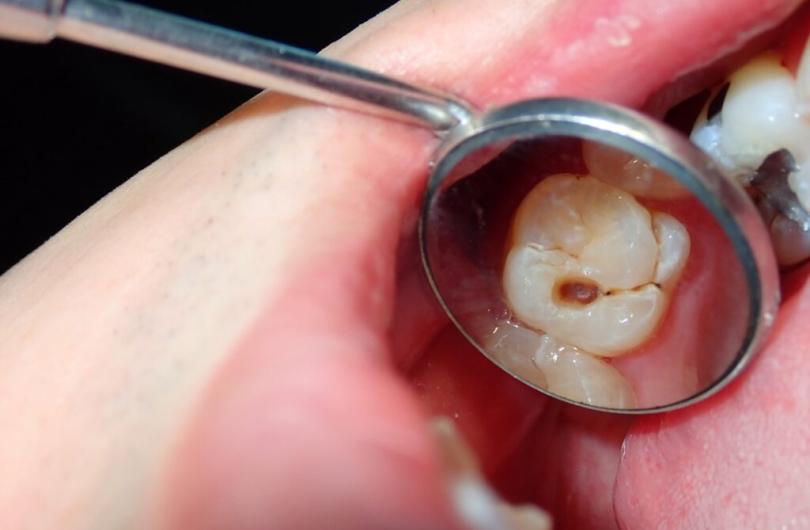
Taking care of your teeth isn’t complicated. With the right knowledge and habits, you can keep your smile clean, healthy, and free from decay. Learn about the three biggest threats to your pearly whites—plaque, tartar, and cavities—and how to stop them in their tracks.