Emergency Dental Care

It’s natural to feel alarmed when you experience a toothache or get hit in the mouth. Is the pain a minor annoyance, or are you about to face a dental emergency? Understanding the difference between urgent and non-urgent dental scenarios helps you act quickly when necessary to maintain your radiant smile.
Deciding If it’s a Dental Emergency
Dental emergencies come in many forms. Some issues require immediate attention to alleviate pain and improve the chances of saving a damaged tooth. Watch for these symptoms of a dental emergency:
- Intense toothache
- Excessive bleeding
- Trauma to the face
- Loose or knocked-out tooth
- Broken or chipped tooth with a large chunk missing
Other issues aren’t a major cause for concern and can wait for a regular appointment. Examples of non-urgent situations include:
- Lost filling or crown
- Cracked tooth without pain or sharp fragments
- Mild toothache with no other symptoms
The Crucial First Response
If you determine you’re having a dental emergency, knowing how to respond is crucial. Follow these tips until you can get to an emergency dentist:
- Treating a toothache: Rinse your mouth with warm water and gently floss to remove trapped food. If the pain persists, take over-the-counter pain relievers. Then, book a dentist appointment to find out what’s wrong.
- Treating excessive bleeding: Rinse with a saltwater solution. Then, apply a clean, damp piece of gauze or a cool, used tea bag to the area. If bleeding continues after 15 to 20 minutes, seek medical help.
- Treating a loose tooth: A loose tooth in adults is not normal. Avoid wiggling it to prevent further damage, and contact your dentist for a professional evaluation.
- Treating a knocked-out tooth: Handle the tooth carefully. Avoid touching the root, rinse it with water if dirty, and try reinserting it into its socket. If that’s not possible, store the tooth in a container of milk or use a tooth preservation kit and go to the dentist immediately.
- Treating a broken, cracked, or chipped tooth: Rinse your mouth with warm water and apply a cold compress. Over-the-counter pain relievers minimize discomfort. Contact your dentist right away, even if there’s no pain, because the tooth may be damaged internally.
The Role of an Emergency Dentist
An emergency dentist handles urgent cases with the proper tools and training. From antibiotics for infections to quick dental procedures for saving a knocked-out tooth, these professionals provide immediate relief and ensure long-term oral health.
Park 56 Dental is your go-to provider for same-day emergency dental care. We have served patients in the 10022 zip code and surrounding areas since 1997. We even boast the title of NYC’s best dentist. Our office feels more like a spa, and we focus on giving personalized, quality dental care to each patient. Our team has experience with everything from general dentistry and sedation dentistry to oral surgery and endodontics.
The next time a dental emergency strikes, you can count on us! Call Park 56 Dental at (212) 826-2322, and we’ll help you get your oral health back on track.
More articles
2025
Stress-Free Smiles: How Sedation Dentistry Works for NYC’s Busy Professionals
How Sedation Dentistry Works for NYC’s Busy Professionals
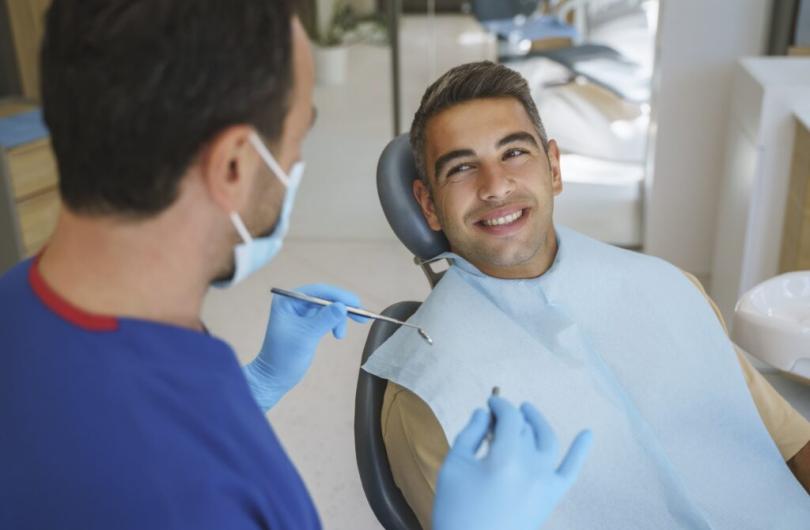
Between back-to-back meetings, endless deadlines, and the daily hustle of New York City life, who has time to stress about dentist visits? If the thought of opening wide for your next teeth cleaning or filling makes you nervous, it’s time to try sedation dentistry. This solution is changing the way busy professionals seek dental care.

2025
The Benefits of Choosing Porcelain Restorations for Your Smile: A VIP’s Guide
Benefits of Porcelain Veneers for Your Smile Restoration
Porcelain veneers offer a simple yet high-impact way to transform your smile. These thin ceramic shells give your teeth a new façade that hides discoloration or other imperfections without extensive dental work. As you compare your smile restoration options, consider what makes veneers one of the most popular cosmetic treatments out there.
2025
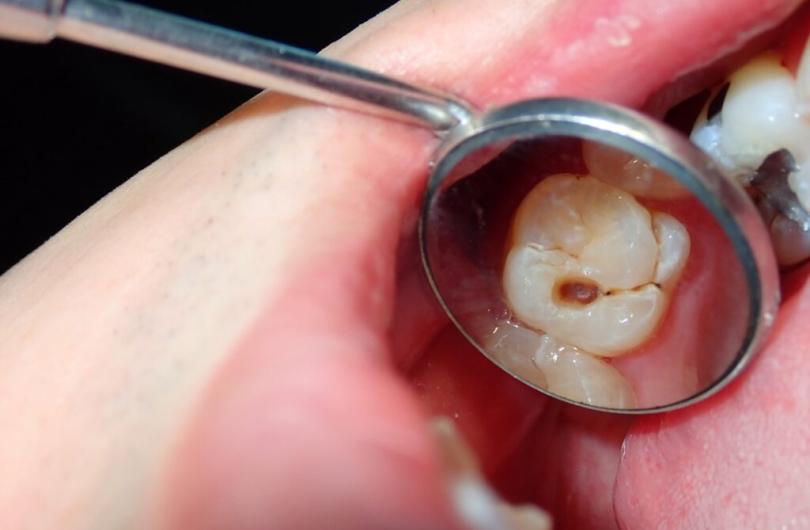
Understanding Plaque, Tartar, and Cavities: Protecting Your Teeth from Hidden Dangers
How to Protect Your Teeth from Plaque, Tartar & Cavities
Taking care of your teeth isn’t complicated. With the right knowledge and habits, you can keep your smile clean, healthy, and free from decay. Learn about the three biggest threats to your pearly whites—plaque, tartar, and cavities—and how to stop them in their tracks.