A Step-by-Step Guide for Proper Flossing
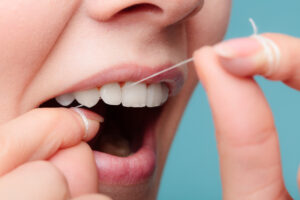
The benefits of flossing include superior plaque removal, healthier gums, and a lower chance of cavities. Perhaps you intend to add this good habit to your oral care routine, but you’re not sure how to floss. Follow this step-by-step guide for the best results.
How to Floss Your Teeth
- Break off 18 inches of floss from the spool and wrap the ends around your middle fingers.
- Grasp the floss with your thumb and forefinger to secure it better and prevent squeezing your middle fingers.
- Guide the floss between two teeth at a time, being careful not to snap it against your gums, as this could cause trauma to the soft tissue.
- Glide the floss up and down, arching it into a c-shape so it rubs against one tooth and then the other. Extend the floss down below the gum line to remove plaque buildup here as well.
- Gently remove the floss from between your teeth.
- Repeat this process throughout your entire mouth. Be sure to floss behind your back molars as well.
- Every few teeth, wipe the collected debris onto a facial tissue and shift to a clean section of floss.
- Dispose of the used piece of floss in a trash can, not the toilet.
If your gums bleed when you floss, this could be a sign of gum disease. Flossing strengthens your gums, so keep up the habit, and the bleeding should subside after about two weeks.
Flossing with Braces
Because food and plaque are more likely to become trapped under bands and wires, flossing when you have braces is very important. Special stiff floss makes it easier to thread under your braces so you can pass it between your teeth. You may also opt for a flossing alternative to complete the task more quickly.
Alternatives to Traditional Floss
If you dread flossing because you have braces, or you simply don’t feel coordinated enough to do it properly, try an alternative to traditional dental floss. Here are your options:
- Dental floss picks are the closest equivalent to regular floss. They consist of a bit of floss stretched between a u-shaped piece of plastic. A small handle lets you comfortably hold the floss pick without having to wrap floss around your fingers.
- Interdental picks feature short rubber tines attached to a small handle. The increased size of the flossing material makes it easier to clean more thoroughly between larger gaps or areas with receding gums.
- A water flosser is a mechanical device that sprays a fine jet of water between your teeth to remove food particles and plaque quickly and easily. It’s a great choice for people who hate the feeling of floss scraping against their teeth.
Talk to your dentist about which flossing product may be best for you.
Ready to discuss your oral care routine? Have a concern about flossing every day? Please contact Park 56 Dental at (212) 826-2322 for advice from a leading NYC dentist.
More articles

2025
Stress-Free Smiles: How Sedation Dentistry Works for NYC’s Busy Professionals
How Sedation Dentistry Works for NYC’s Busy Professionals
Between back-to-back meetings, endless deadlines, and the daily hustle of New York City life, who has time to stress about dentist visits? If the thought of opening wide for your next teeth cleaning or filling makes you nervous, it’s time to try sedation dentistry. This solution is changing the way busy professionals seek dental care.

2025
The Benefits of Choosing Porcelain Restorations for Your Smile: A VIP’s Guide
Benefits of Porcelain Veneers for Your Smile Restoration
Porcelain veneers offer a simple yet high-impact way to transform your smile. These thin ceramic shells give your teeth a new façade that hides discoloration or other imperfections without extensive dental work. As you compare your smile restoration options, consider what makes veneers one of the most popular cosmetic treatments out there.
2025
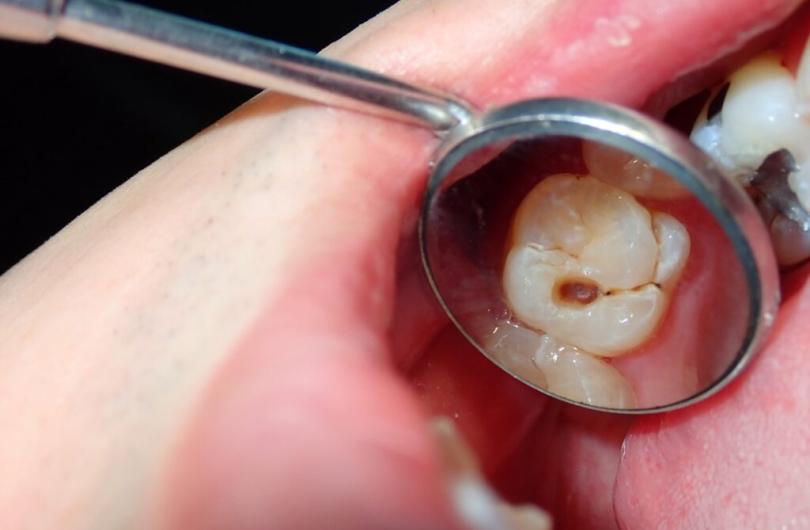
Understanding Plaque, Tartar, and Cavities: Protecting Your Teeth from Hidden Dangers
How to Protect Your Teeth from Plaque, Tartar & Cavities
Taking care of your teeth isn’t complicated. With the right knowledge and habits, you can keep your smile clean, healthy, and free from decay. Learn about the three biggest threats to your pearly whites—plaque, tartar, and cavities—and how to stop them in their tracks.