Dental Issues That Can Trigger Headaches

A toothache can be extremely painful, and so can a headache. When they occur at the same time, it can be excruciating. Why does this happen? There can actually be a connection between dental issues and headaches. Here, we will take a closer look at why these two things are related and how dental issues can trigger headaches.
- The first factor that connects dental issues and headaches is the trigeminal nerve. This is one of the largest nerves in your head and provides sensation to most of your face. It is also the nerve that relays pain signals for almost all headaches and toothaches. That’s why a toothache or damage to a tooth can lead to a migraine. The pain in the affected tooth irritates the trigeminal nerve, and that causes a migraine headache, with symptoms like nausea, vomiting, and sensitivity to light and sound.
- If you grind your teeth, it can cause referred pain in the head. This means that even though you feel the pain in your head, it doesn’t actually have anything to do with your head. Why does this happen? It actually goes back to the trigeminal nerve. When you grind your teeth, the sensation travels through the nerve and causes a headache. Even if you don’t get a headache, though, tooth grinding, also called bruxism, can cause jaw and face pain, as well as damage to your teeth.
- Temporomandibular joint disorder (TMJ) is a major cause of headaches. With TMJ, a problem with the jaw joint and surrounding muscle causes pain, not just in the joint and muscles, but also in teeth and head. There are two temporomandibular joints, and these are the joints that connect your jaw to your skull. When you clench your jaw or grind your teeth, it can cause TMJ pain, and so can chewing gum and other things that cause your jaw to work harder to chew. If your bite is misaligned or you are missing a tooth, your jaw muscles will have to work harder when you chew, and this can become painful. If TMJ is causing you to have headaches or migraines, your dentist will be able to determine this by examining your teeth, jaw, and muscles.
- An infection can trigger nerve pain. If you have a broken or decayed tooth, you can develop a bacterial infection. When that happens, the bacteria can invade the pulp chamber of the tooth, destroying the sensitive pulp and causing pain, fever, and swelling. If bacteria invade the jaw, an abscess can result, and this can lead to further complications, like a sinus infection or, worse, a serious condition like meningitis or an infection in a major organ.
Preventing dental issues can help prevent headaches, and a big part of keeping your mouth healthy is having the right dentist. At Park 56 Dental Group, we offer pediatric, prosthodontics, endodontics, oral surgery, Invisalign®, emergency, and sedation dentistry, all at the highest level of treatment. We serve the Midtown, Central Park, Upper East Side, Park Avenue, and all surrounding Manhattan and New York areas, with a patient-centered practice that has hours to fit your schedule. Schedule your complimentary consultation today by contacting us online or calling us at (212) 826-2322.
More articles
2025
Stress-Free Smiles: How Sedation Dentistry Works for NYC’s Busy Professionals
How Sedation Dentistry Works for NYC’s Busy Professionals
Between back-to-back meetings, endless deadlines, and the daily hustle of New York City life, who has time to stress about dentist visits? If the thought of opening wide for your next teeth cleaning or filling makes you nervous, it’s time to try sedation dentistry. This solution is changing the way busy professionals seek dental care.

2025
The Benefits of Choosing Porcelain Restorations for Your Smile: A VIP’s Guide
Benefits of Porcelain Veneers for Your Smile Restoration
Porcelain veneers offer a simple yet high-impact way to transform your smile. These thin ceramic shells give your teeth a new façade that hides discoloration or other imperfections without extensive dental work. As you compare your smile restoration options, consider what makes veneers one of the most popular cosmetic treatments out there.
2025
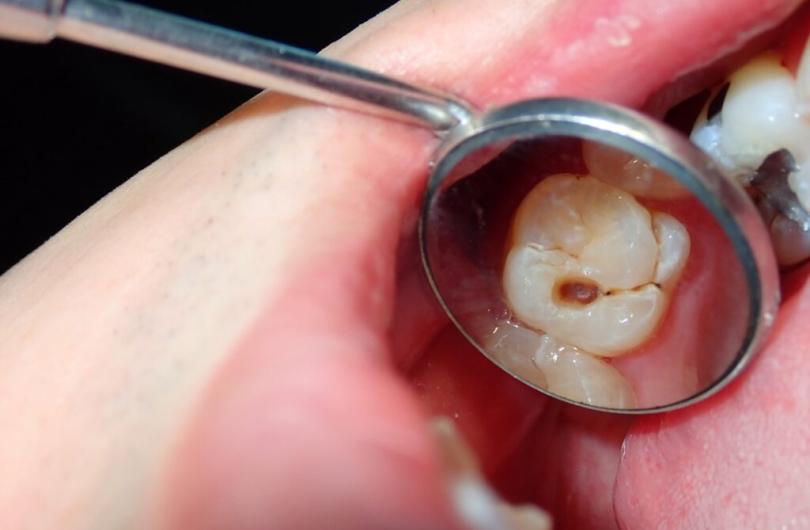
Understanding Plaque, Tartar, and Cavities: Protecting Your Teeth from Hidden Dangers
How to Protect Your Teeth from Plaque, Tartar & Cavities
Taking care of your teeth isn’t complicated. With the right knowledge and habits, you can keep your smile clean, healthy, and free from decay. Learn about the three biggest threats to your pearly whites—plaque, tartar, and cavities—and how to stop them in their tracks.