Why it’s Important to Replace a Lost Tooth

Many people assume that a missing tooth only has cosmetic consequences. But while having a gap in your smile is enough to make anyone self-conscious, there are also numerous health-related reasons not to ignore a missing tooth. Whether you opt for a bridge, removable partial dentures, or a dental implant, here’s a look at why it’s important to replace a lost tooth.
- Your teeth may shift and loosen: Every tooth helps maintain the stability of the one next to it. If you lose a permanent tooth, the surrounding teeth may begin shifting to fill the gap, undoing years of orthodontic work.
- Chewing may be more difficult: The sensitive gum tissue where your tooth is missing can make it painful to chew in that part of your mouth. Then, if your teeth drift out of place, your bite may suffer, making chewing even more uncomfortable. Over time, you may find it cumbersome to eat solid, healthy food like fruits and vegetables, which can lead to poor nutrition.
- You could develop TMJ disorder: To avoid discomfort, you may start chewing food on only one side of your mouth. However, this can strain your jaw muscles and lead to temporomandibular joint (TMJ) disorder, resulting in jaw pain, chronic headaches, and other symptoms. Lopsided chewing can also wear down your teeth unevenly and affect their appearance.
- You may be more prone to cavities and gum disease. A shifting smile and altered bite can make your teeth harder to clean. This means you’re more vulnerable to tooth decay and gum disease, both of which may lead to further tooth loss.
- Your jaw bone could deteriorate: A healthy jaw is only possible if you have healthy teeth to stimulate the production of new cells. If you lose one or more teeth, this stimulation disappears, which can lead to bone loss.
- Your appearance could change: When your opposing teeth have nothing to make contact with, your muscles and bone structure may begin to change. This problem is most apparent if you lose several teeth, which can lead to sunken cheeks and an aged appearance.
- Your self-esteem could suffer: Losing baby teeth may have been fun as a kid, but having a gap in your smile as an adult can drain your confidence level. First, you become concerned with your appearance and cover your mouth when you smile. Then, you may avoid talking too much if you develop a speech issue. Depression and anxiety can set in as a result.
If you recently lost a tooth in a traumatic incident or had a decayed tooth extracted, visit Park 56 Dental to explore your tooth-restoration options. We recommend dental implants to many of our patients because they provide a hassle-free, long-lasting way to replace a lost tooth. Even if you didn’t qualify for an implant in the past, you may now be eligible. To find out what makes us the best dentist in New York, please call us at (212) 826-2322 and schedule a consultation.
More articles
2025
Stress-Free Smiles: How Sedation Dentistry Works for NYC’s Busy Professionals
How Sedation Dentistry Works for NYC’s Busy Professionals
Between back-to-back meetings, endless deadlines, and the daily hustle of New York City life, who has time to stress about dentist visits? If the thought of opening wide for your next teeth cleaning or filling makes you nervous, it’s time to try sedation dentistry. This solution is changing the way busy professionals seek dental care.

2025
The Benefits of Choosing Porcelain Restorations for Your Smile: A VIP’s Guide
Benefits of Porcelain Veneers for Your Smile Restoration
Porcelain veneers offer a simple yet high-impact way to transform your smile. These thin ceramic shells give your teeth a new façade that hides discoloration or other imperfections without extensive dental work. As you compare your smile restoration options, consider what makes veneers one of the most popular cosmetic treatments out there.
2025
Understanding Plaque, Tartar, and Cavities: Protecting Your Teeth from Hidden Dangers
How to Protect Your Teeth from Plaque, Tartar & Cavities
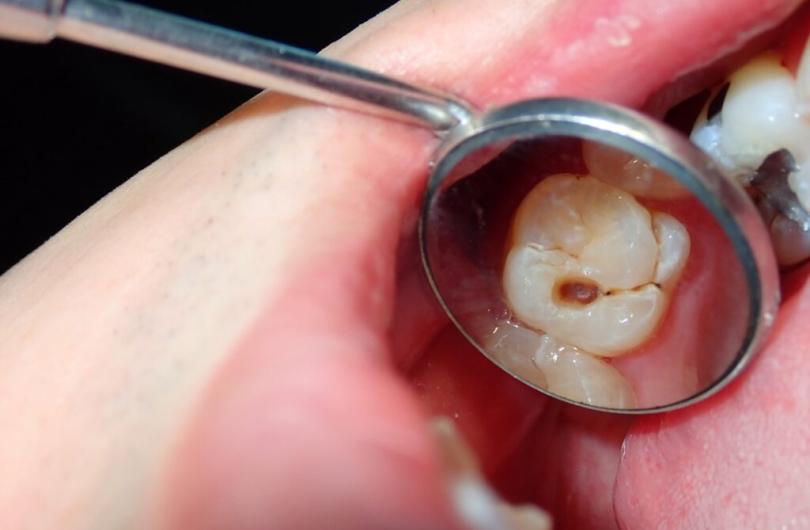
Taking care of your teeth isn’t complicated. With the right knowledge and habits, you can keep your smile clean, healthy, and free from decay. Learn about the three biggest threats to your pearly whites—plaque, tartar, and cavities—and how to stop them in their tracks.