What Are Our Teeth Made Of?

Most people know the basics of dental care, but how many of us really know the anatomy of our teeth? Here’s a short overview of what our teeth are made of.
Crown
Quite simply, the crown is the part of the tooth that you can see.
Enamel
The hardest tissue in your whole body is the enamel of your teeth, which forms the outermost layer of the crown. This substance is why your teeth can withstand the pressure from chewing hard foods. It also protects your teeth from harmful bacteria and acids, as well as hot and cold foods. Enamel mostly consists of calcium phosphate, a rock-hard mineral.
Dentin
Right below the enamel is a yellowish material called dentin. It is a hard tissue made of microscopic tubes. When the enamel is damaged or worn away, heat or cold can enter the tooth through these tubes and cause pain. Every tooth is mostly dentin, which is why teeth have a slight yellowish tint. Like enamel, dentin mostly consists of apatite crystals of calcium and phosphate. This makes it hard as bone, but it’s not quite as hard as enamel.
Pulp
Below dentin is pulp, the softest, most alive and innermost portion of the tooth. Pulp consists of connective tissue , nerves, and blood vessels, which nourish your teeth. Pulp has two parts — the pulp chamber, which is in the crown, and the root canal, which lies in the root of the tooth. Nerves and blood vessels enter the root through a small hole in its tip and extend through the root canal into the pulp chamber.
Cementum
Cementum is a layer of connective tissue that secures the roots of your teeth firmly to your gums and jawbone.
A layer of cementum coats the exterior of the root, under the gum line, and binds the tooth into place within the jawbone. Cementum is as hard as bone, but it’s slightly softer than dentin. It consists of about 45–50% inorganic minerals and 50–55% organic matter (mostly collagen and glycoproteins) plus water.
Periodontal Ligament
The periodontal ligament, also called the desmodontium, is a fibrous joint that holds the root of each tooth in its bone socket. The periodontal ligament fibers are anchored in the cementum layer of the tooth and in the alveolar jaw bone. They hold the teeth in a state of sprung suspension, which means that each tooth can move slightly within its alveolar bone socket.
If you’re looking for the perfect place to get your teeth cleaned or fixed, choose the practice that was voted best dentist in NYC! At Park 56 Dental Group, we offer pediatric, prosthodontics, endodontics, oral surgery, Invisalign®, emergency, and sedation dentistry, all at the highest level of treatment. We serve the Midtown, Central Park, Upper East Side, Park Avenue, and all surrounding Manhattan and New York areas, with a patient-centered practice that has hours to fit your schedule. Schedule your complimentary consultation today by contacting us online or calling us at (646) 679-3989.
More articles
2025
Stress-Free Smiles: How Sedation Dentistry Works for NYC’s Busy Professionals
How Sedation Dentistry Works for NYC’s Busy Professionals
Between back-to-back meetings, endless deadlines, and the daily hustle of New York City life, who has time to stress about dentist visits? If the thought of opening wide for your next teeth cleaning or filling makes you nervous, it’s time to try sedation dentistry. This solution is changing the way busy professionals seek dental care.

2025
The Benefits of Choosing Porcelain Restorations for Your Smile: A VIP’s Guide
Benefits of Porcelain Veneers for Your Smile Restoration
Porcelain veneers offer a simple yet high-impact way to transform your smile. These thin ceramic shells give your teeth a new façade that hides discoloration or other imperfections without extensive dental work. As you compare your smile restoration options, consider what makes veneers one of the most popular cosmetic treatments out there.
2025
Understanding Plaque, Tartar, and Cavities: Protecting Your Teeth from Hidden Dangers
How to Protect Your Teeth from Plaque, Tartar & Cavities
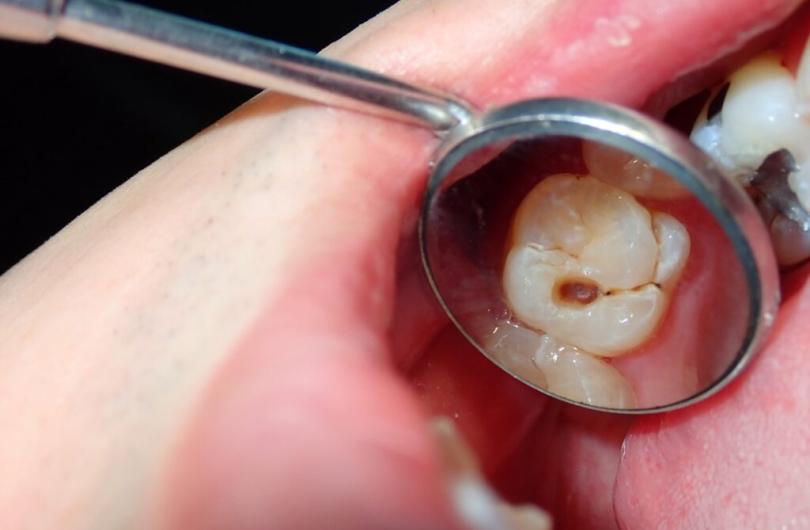
Taking care of your teeth isn’t complicated. With the right knowledge and habits, you can keep your smile clean, healthy, and free from decay. Learn about the three biggest threats to your pearly whites—plaque, tartar, and cavities—and how to stop them in their tracks.