Are Dental X-Rays Safe?

When you visit the dentist for a routine appointment, you may have dental X-rays taken. This is typically done once a year to track your oral health. As a concerned patient, you may be wondering—are dental X-rays safe for you and your family? Why are they even necessary? Find the answers to your questions here.
The Importance of Dental X-Rays
While a visual inspection of your mouth is an important part of any oral exam, your dentist can’t see what’s going on beneath the surface. The purpose of an X-ray is to inspect the jaw bone, tooth roots, and internal layers of your teeth. Your dentist may recommend X-rays for several reasons:
- Diagnose oral health problems, from cavities and gum disease to abscesses and bone infections, before the condition gets any worse.
- Monitor recovery following a maxillofacial
- Determine if certain treatments are necessary, including wisdom tooth extraction and orthodontics.
Types of Dental X-Rays
Dental X-rays come in many forms. The type you receive depends on the reason your dentist wants to X-ray your mouth. Here are the most common dental X-rays in use today:
- Bitewing X-rays allow the dentist to check for cavities and assess the filling in the crowns of your teeth.
- Periapical X-rays display teeth from the crown to the root so the dentist can check for cavities, root problems, and issues in the surrounding jaw bone.
- Panoramic X-rays track a child’s tooth development to determine if braces are necessary.
- Occlusal X-rays show the roof or floor of the mouth and are used to find yet-to-erupt teeth.
- Extraoral X-rays capture images of a child’s skull to monitor overall jaw development.
- Cone beam computed tomography (CBCT) offers a 3D view of the mouth to help the dentist assess tooth spacing and development.
What about Radiation Exposure?
X-rays emit a small amount of radiation, which is why some patients worry about their safety. However, consider that the average American receives a radiation dose of about 620 millirem every year. The American Dental Association reports that intraoral X-rays expose patients to 0.5 millirem of radiation, while panoramic dental X-rays produce a 1.0 millirem dose of radiation.
Digital dental X-rays generate even less radiation. Many dentists use digital technology to take X-rays these days—not only for their increased safety but because they provide clearer images in a shorter amount of time. Even with negligible radiation levels from digital X-rays, the ADA still recommends that patients wear a lead apron over their abdomen and neck for added protection.
All things considered, the benefits of dental X-rays far outweigh the risks. Park 56 Dental is pleased to offer advanced digital X-rays to our patients. As part of our focus to make the dental experience as safe and comfortable as possible, we are happy to answer any questions you have. Give us a call at (212) 826-2322 or contact us online to learn more or schedule an appointment at our NYC dentist office.
More articles
2025
Stress-Free Smiles: How Sedation Dentistry Works for NYC’s Busy Professionals
How Sedation Dentistry Works for NYC’s Busy Professionals
Between back-to-back meetings, endless deadlines, and the daily hustle of New York City life, who has time to stress about dentist visits? If the thought of opening wide for your next teeth cleaning or filling makes you nervous, it’s time to try sedation dentistry. This solution is changing the way busy professionals seek dental care.

2025
The Benefits of Choosing Porcelain Restorations for Your Smile: A VIP’s Guide
Benefits of Porcelain Veneers for Your Smile Restoration
Porcelain veneers offer a simple yet high-impact way to transform your smile. These thin ceramic shells give your teeth a new façade that hides discoloration or other imperfections without extensive dental work. As you compare your smile restoration options, consider what makes veneers one of the most popular cosmetic treatments out there.
2025
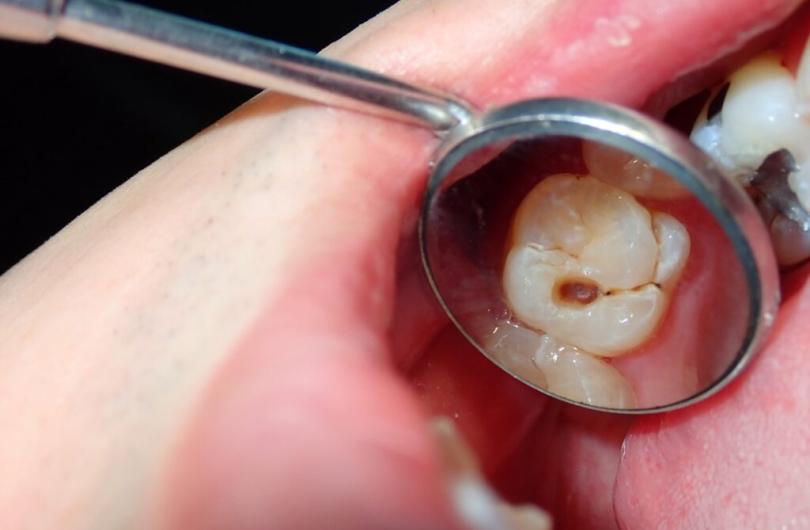
Understanding Plaque, Tartar, and Cavities: Protecting Your Teeth from Hidden Dangers
How to Protect Your Teeth from Plaque, Tartar & Cavities
Taking care of your teeth isn’t complicated. With the right knowledge and habits, you can keep your smile clean, healthy, and free from decay. Learn about the three biggest threats to your pearly whites—plaque, tartar, and cavities—and how to stop them in their tracks.