Invisalign® versus Braces

Are you trying to decide between Invisalign® and braces? The first modern braces were invented early in the 19th century, and since then, there have been great strides in the field of orthodontia. Invisalign® is one of those strides, offering people the opportunity to correct their teeth without the look of traditional braces. Which method is better? The answer depends on many factors, from the severity of your issues to how quickly the teeth need to be shifted. How do you make the decision?
- Invisalign® is more than just invisible aligners. There will also be “attachments” glued onto the teeth, which will be either opaque or tooth-colored and come in a variety of shapes and sizes. If you have crowding, you’ll have to have interproximal reduction (IPR), which is a type of shaving of the teeth. Be prepared for this IPR to remove .1-.5mm or more of your tooth enamel, permanently.
- The Invisalign® aligners are a big draw. Not only are they less noticeable to other people than traditional braces because of their transparency, but they’re also removable, which is convenient. You can remove them to eat your meals or clean your teeth, and it’s much easier to thoroughly brush and floss with the aligners out of your mouth. You will change your aligners every week or two, essentially treating your own misalignment.
- Braces move teeth more quickly than Invisalign®. The fastest way to move teeth is with low, continuous force, providing constant stimulation to the ligaments around the roots of your teeth. This is best accomplished with Nickel-Titanium (N.T) arch wire, especially when it’s a type that’s high-grade and treated in a way that allows them to work continuously in a low force, at body temperature. High-tech, self-litigating braces move the teeth fastest, while at the same time using the least amount of force.
- With traditional braces, you’ll also have pieces glued to your teeth. They’ll either be stainless steel, clear polymer or ceramic, and they’ll serve as connectors for the arch wire that will move your teeth into position. Except in rare circumstances, IPR is not used with traditional braces.
- The big drawback of traditional braces is that they cannot be removed. You won’t be able to take them out to eat or clean your teeth, because they’re glued on with a fluoride-infused resin. Good dental hygiene is vital when you have braces, and you will need to see your hygienist every four to six months for your gum health.
At Park 56 Dental Group, we provide personalized, quality dental care in a spa-like environment. We offer pediatric, prosthodontics, endodontics, oral surgery, Invisalign®, emergency, and sedation dentistry, all at the highest level of treatment. We serve the Midtown, Central Park, Upper East Side, Park Avenue, and all surrounding Manhattan and New York areas, with a patient-centered practice that has hours to fit your schedule. Schedule your complimentary consultation today by contacting us online or calling us at (212) 826-2322.
More articles
2025
Stress-Free Smiles: How Sedation Dentistry Works for NYC’s Busy Professionals
How Sedation Dentistry Works for NYC’s Busy Professionals
Between back-to-back meetings, endless deadlines, and the daily hustle of New York City life, who has time to stress about dentist visits? If the thought of opening wide for your next teeth cleaning or filling makes you nervous, it’s time to try sedation dentistry. This solution is changing the way busy professionals seek dental care.

2025
The Benefits of Choosing Porcelain Restorations for Your Smile: A VIP’s Guide
Benefits of Porcelain Veneers for Your Smile Restoration
Porcelain veneers offer a simple yet high-impact way to transform your smile. These thin ceramic shells give your teeth a new façade that hides discoloration or other imperfections without extensive dental work. As you compare your smile restoration options, consider what makes veneers one of the most popular cosmetic treatments out there.
2025
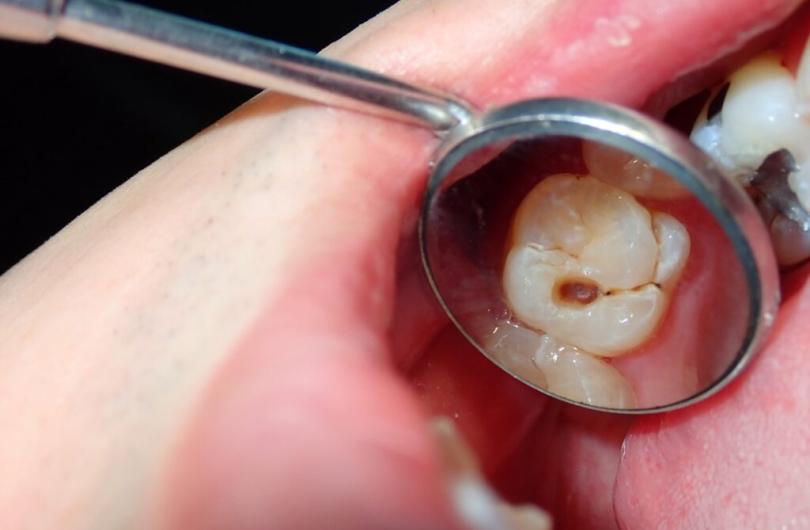
Understanding Plaque, Tartar, and Cavities: Protecting Your Teeth from Hidden Dangers
How to Protect Your Teeth from Plaque, Tartar & Cavities
Taking care of your teeth isn’t complicated. With the right knowledge and habits, you can keep your smile clean, healthy, and free from decay. Learn about the three biggest threats to your pearly whites—plaque, tartar, and cavities—and how to stop them in their tracks.